
Bitcoin Approaches $66K Following Trumps Announcement of US-Iran Peace Deal
Bitcoin nears $66K as Trump announces US-Iran peace deal. BTC hits 12-day high of $65,881, oil prices drop, and prospects for global markets shift as peace talks advance.
This article is for informational purposes only and does not constitute financial or investment advice. Cryptocurrency markets are highly volatile. Always do your own research before making any investment decisions.
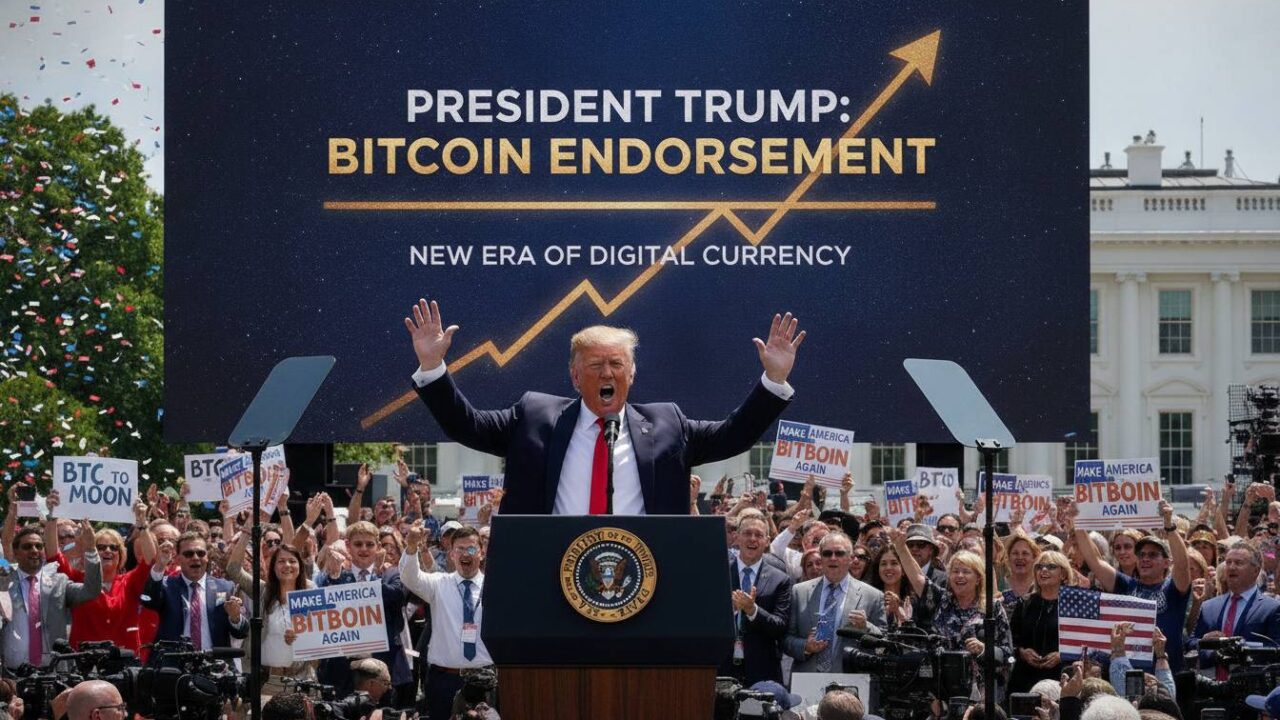
Bitcoin surged toward $66,000 on June 15, 2026, after former President Donald Trump announced—via Truth Social—that the United States had secured a peace deal with Iran. The announcement immediately sent crypto markets to their highest level in almost two weeks. Bitcoin jumped to $65,881 on Coinbase, hitting its highest price since June 3. And Coingape reported the news pushed BTC to $65,546.29, up 1.77% in just 24 hours, snapping the past week’s narrow trading range.
Pakistan’s Prime Minister Shehbaz Sharif confirmed—Coingape carried the story—that the US-Iran peace agreement will be signed on Friday, June 19, in Switzerland. With the official timing and location set, Bitcoin wasted no time: within hours, the price crossed $65,000, finally breaking out of its tiresome range and reigniting hope among traders.
Cointelegraph points out that Bitcoin last traded above $66,000 on June 3, and the current rebound shows how quickly sentiment flips on global headlines.
Oil Prices Plunge as Strait of Hormuz Set to Reopen
WTI crude dropped about 3.2% to $84.88 per barrel after peace news broke, showing just how closely energy markets and crypto are now intertwining. The Strait of Hormuz—a crucial artery for oil trade—was mentioned in the deal as reopening plans move ahead. Reestablishing access to this strategic waterway is expected to help stabilize global oil flows.
🚨🚨BREAKING: President Trump says the deal with Iran is “now complete” and authorizes the reopening of the Strait of Hormuz and removal of the U.S. naval blockade, after Pakistan’s prime minister said the U.S. and Iran had reached a peace deal to end military operations on all…
— Fox News (@FoxNews) June 14, 2026
Reuters added the agreement also calls for the US to reduce naval activity around Iranian ports—a shift that could further lower the risk of military missteps and support both oil markets and risk appetite.
Market Metrics Point to Renewed Volatility
Beneath all the headline excitement, traders are bracing for more volatility. Cointelegraph emphasized how the $65,000 to $67,000 zone has turned into a real battleground. Since June 3, Bitcoin hasn’t managed a daily close above $66,000, with price action caught between bulls and bears. That failure to break resistance keeps short-term risk high.
Earlier this month, the chart dipped below $60,000—hitting June 6 lows—yet Bitcoin soon clawed its way back. Coingape’s data shows the peace news pushed it back up to $65,546.29, a 1.77% jump over the previous 24 hours. So traders who were frustrated by a directionless market saw those range-bound days end almost overnight. They’re now watching closely for a sustained daily close above $66,000, which could open the door to a fresh chapter of gains—or invite profit taking and forced liquidations if sentiment sours.
Broader Crypto Market Tracks Bitcoin’s Momentum
Bitcoin’s explosive move and fading war risks didn’t just benefit itself. The overall crypto market capitalization followed Bitcoin’s rally, while falling oil prices and peace prospects put investors in a buying mood.
Macro and Inflation Impacts Shape Crypto’s Next Move
With peace expectations shifting risk attitudes, analysts are once again keeping a close eye on US inflation and macro policy. Recent inflation data shows price pressures are up, so the Federal Reserve has less room to cut rates than many hoped.
As global supply chains stabilize, asset managers are expected to send more money flowing into risk assets—including Bitcoin and other cryptocurrencies. High inflation made some institutional players think twice before buying Bitcoin, but now that a peace dividend and lower energy prices seem likely, BTC could potentially challenge all-time highs.
Politics, Regulation, and the Crypto 2026 Election Cycle
Trump’s high-profile move on the peace deal has reset the election-year debate around US crypto policy. His Truth Social post didn’t just send prices higher—it’s burnished his rep as a crypto-friendly political figure in the eyes of traders. Market participants are turning their attention to how US regulation may shift ahead of November’s vote.
Previous policy talk—including Trump’s declaration that “the U.S. crypto industry is back“—has already fueled bullish sentiment across the sector. As the US-Iran agreement heads for a signing in Switzerland—just days away—investors are weighing how diplomatic wins and regulatory signaling might reshape digital asset flows for years to come. That event will serve as a major litmus test for how political winds and international events can move crypto. Traders should keep a close eye not just on Bitcoin’s spot price, but also on subtle shifts in US government messaging.
President Donald Trump says the US has reached an agreement with Iran, including the removal of the US blockade on Iranian ports. Tehran has not commented yet. https://t.co/2gN1eDtXhM pic.twitter.com/87HCth0Yqo
— CNN Breaking News (@cnnbrk) June 14, 2026

About the author
Marcus Webb
Chief Macro Economist
Chief Macro Economist covering Federal Reserve policy, treasury markets, and global macroeconomic trends.
More about Marcus Webb → Hide details ↑
Chief Macro Economist covering Federal Reserve policy, treasury markets, and global macroeconomic trends. Former Federal Reserve researcher and economist at Goldman Sachs Global Investment Research. PhD in Economics from MIT. Fifteen years of experience analyzing monetary policy impacts on financial markets.
- Beat:
- Federal Reserve · Interest rates · Treasury markets · Global macro · Currency policy
- Education:
- MIT · PhD Economics
- Certifications:
- PhD, CMT
- Memberships:
- American Economic Association · NABE
Editorial standards · Fact-checked against named sources. Reporters cannot trade securities they cover. Guidelines · Methodology · Report an error